The 30-yard container fits large jobs where a smaller box would fill and need a swap. A full-house gut, a 2,000-plus-square-foot roof tear-off, a sizable estate cleanout in Beverly or Hyde Park, or new-construction…
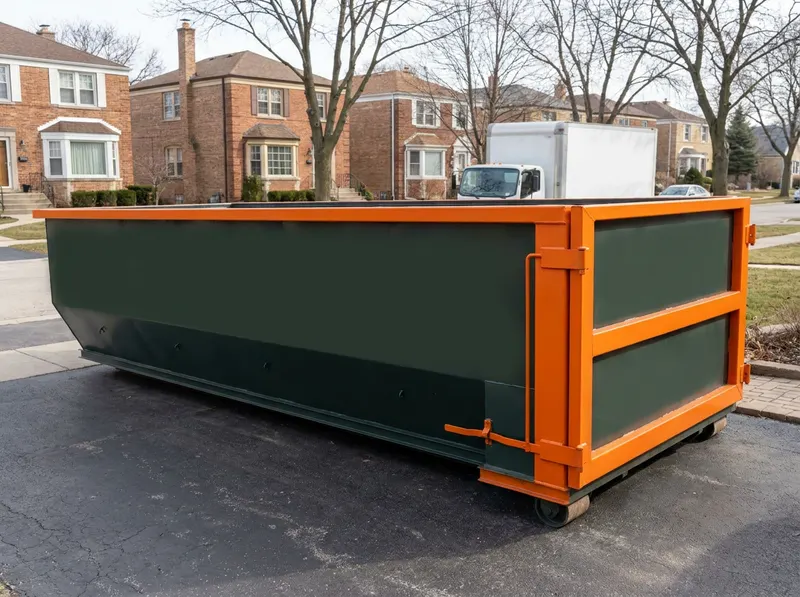
The 30-yard container fits large jobs where a smaller box would fill and need a swap. A full-house gut, a 2,000-plus-square-foot roof tear-off, a sizable estate cleanout in Beverly or Hyde Park, or new-construction framing scrap all push past what a 20-yard holds. Step 1: pick the size by volume, a 10-yard suits a single bathroom remodel, a 20-yard a kitchen or small addition, and the 30-yard a whole-floor renovation or a multi-room cleanout. Step 2: clear a drop spot about 22 feet long and 10 feet wide. Step 3: load it evenly to keep weight legal on the road. Step 4: call for pickup. A 30-yard dumpster rental is not junk removal, the container is dropped and you load it at your own pace, which keeps the price flat and predictable.
Chicago placement is the part most people underestimate. A 30-yard on the driveway should sit on plywood or 2x10 boards so the steel feet and the loaded weight do not crack concrete or asphalt, Boxcar Dumpster Rental sets protective boards under the container on request. Tight lots in Avondale, Edgewater, and Portage Park sometimes have no driveway room for a 22-foot box, so the container goes in the alley or on the street. A container placed on a Chicago public street or parkway requires a permit; the City of Chicago issues these through the Chicago Department of Transportation, and a residential street with permit parking may also need signage coordinated with your ward office. Our team will tell you plainly whether your spot needs one before the truck rolls.
What goes in matters because the flat $795 already covers disposal. Clean construction debris, concrete, wood, and metal are handled through standard C&D channels tracked by the EPA construction and demolition materials program, and recyclable loads reduce what hits the landfill, the Earth911 recycling directory lists local drop-points for items a dumpster cannot take. Prohibited items include paint, solvents, tires, car batteries, appliances with refrigerant, and anything classed as household hazardous waste; Chicago residents dispose of those through the city's Household Chemicals and Computer Recycling Facility rather than a roll-off. Job-site loads should follow OSHA 1926 construction standards for safe debris handling, and demolition work that disturbs older Chicago housing stock may involve asbestos rules enforced by the Illinois EPA and tracked nationally under the EPA asbestos program.
The trade-off against the 40-yard is reach, not price difference, a 40-yard is the same footprint but two feet taller, which is harder to load over the wall by hand, so renovation crews hand-loading debris often prefer the 30-yard even on big jobs. Heavy, dense material like soil, brick, or concrete fills by weight long before it fills by volume, so a 10-yard or 20-yard is usually the right call for those loads; roofing contractors in Lincoln Park and Bridgeport and framers clearing bulky, lightweight scrap are the natural fit for the 30-yard. Weight and material limits follow the same roadworthy load rules the U.S. Department of Transportation applies to loaded trucks. Container specifications and roll-off handling follow guidance from the National Waste & Recycling Association.
Every job gets a firm, written price after an on-site visit.
Tell us about your 30-yard dumpster job in Chicago and we'll send a clear, written quote, usually the same day.
 Boxcar Dumpster Rental